High-Tide or Low-Tide Stroll? Choose by the View You Want
Choose a high-tide or low-tide stroll by the view you want, from water close to the promenade to exposed pools, ledges and the shore’s small details.
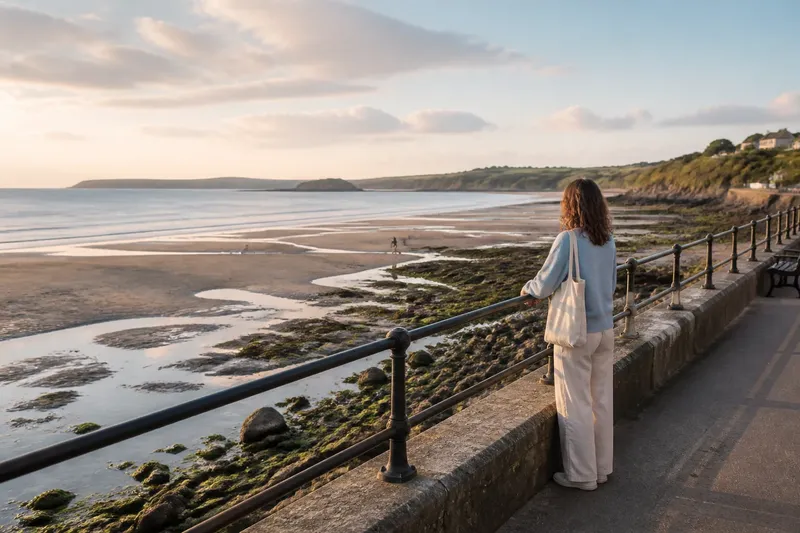
You reach the promenade with an hour to spare, and the sea is almost at the wall. A high-tide or low-tide stroll can show you two very different shores: one framed by moving water, the other opened out to details usually covered. Choose by the view you want, then check the tide before setting off.
Choose your view
Start with a simple question: would you rather watch water gather against the edge of the land, or see more of the shore beneath it? Neither tide is the better choice for every walk. The right one depends on what you want to notice and where you can walk comfortably.
At high tide, the waterline comes close to the promenade, sea wall or upper beach. The view can feel compact and immediate: waves lift, reflections shift and the distance between you and the water shrinks. It suits a short stroll when you want the sea to dominate the scene rather than inspect the exposed shore.
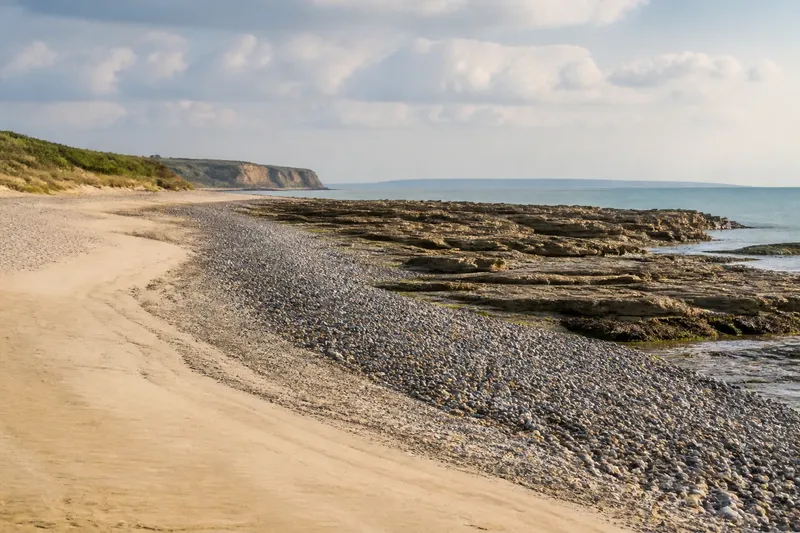
At low tide, the water draws back and reveals a broader stretch of beach. Pools, wet sand, rock edges and channels may become visible. The view has more layers, and you can follow the changing line between dry and newly exposed ground. That extra space can make a walk feel expansive, but it does not mean every part of the shore is easy to cross.
There are also useful in-between stages. As the tide rises, water gradually approaches the shore’s details; as it falls, those details emerge. These transitions can make the waterline itself the main subject, rather than a fixed high- or low-water view.
Check the tide and access
Before leaving, look up local tide times for the beach you plan to visit. Tide predictions are tied to a location, so a table for a nearby town may not describe the shore you have in mind precisely. Note whether the tide is rising or falling as well as its expected high or low point.
Then check how the beach is accessed. A promenade or a path above the shore may offer a clear view at either tide. A route along the sand can change substantially: the exposed width may narrow as water returns, and a way down to the beach could be affected by the sea. Look for local signs and any information about access restrictions.
Conditions on the day matter too. Swell can send water farther up the beach than a calm-looking scene suggests, while rain, wind or poor light can make an exposed walk less appealing. If the route depends on crossing rocks or passing a narrow section, choose a viewpoint from above instead unless local guidance clearly supports that access. Follow signs and local advice where they apply.
Say you have a free hour and want a close view of the water without walking across the beach. If the tide is high, choose a suitable stretch of promenade, check the access notices and walk beside the sea wall. You can pause where the water is visible from a safe, open path, then turn back before the route becomes exposed or difficult.
Plan a high-tide stroll
For a high-tide walk, choose a route that stays on the promenade, upper beach or another established path. The shoreline may leave little room below the sea wall, so do not count on being able to continue along the sand. A clear path gives you the close-water view without making the changing beach your route.
Watch how the view changes as you walk. At one point, waves may fill the foreground; a few steps later, a break in the wall or a turn in the promenade may open a longer view along the coast. Reflections on wet surfaces can also bring attention to cloud, light and the shape of the waterline.
Keep your pauses out of places where waves wash across the path or where people need room to pass. If the sea is lively, admire it from a position set back from the edge. The appeal of a high-tide stroll is that the water feels near; there is no need to move closer than the path allows.
For a focused walk, choose one thing to follow: the wave fronts, the boundary of foam, or the changing reflections. This keeps the outing attentive without turning it into a search for objects. High water can be a good time to watch movement rather than small features on the beach.
Plan a low-tide stroll
At low tide, choose a route with a simple way back to higher ground. Begin from a clear access point and note what landmarks you can use to orient yourself, such as the steps, a headland or the end of a promenade. If the water starts returning, head back towards that access rather than continuing along an unfamiliar stretch.
Take in the wider view before focusing on details. From the upper beach, notice how far the waterline sits from its high-tide boundary and where pools or wet areas interrupt the exposed ground. This broad look helps you decide which parts of the shore are worth viewing from a path and which are better left alone.
Then look for the features revealed by the retreating water: shallow pools reflecting the sky, rippled wet sand, channels that lead towards the sea, or ledges close to the waterline. The scene varies by beach and tide; do not assume that every low tide exposes the same features. Observe them where you can stand without disturbing the habitat or stepping into an uncertain patch.
Low water does not mean the sea has stopped changing. The exposed shore may be crossed by returning water, and a longer route can place you farther from your starting point. Keep the walk modest if you are unsure how quickly the water will approach, and turn back while the access route remains clear.
Read the waterline?
What does a rising tide change?
A rising tide brings the waterline towards the upper shore and gradually covers exposed sand, pools and ledges. From a promenade, watch which details disappear first and how the view tightens around the water.
What does a falling tide reveal?
A falling tide uncovers more of the beach, including wet surfaces and features previously under water. The visible space grows, but the newly exposed ground may be uneven or unsuitable for walking.
Is the shoreline the same at every low tide?
No. The shape of the beach, the conditions and the tide’s position all affect what you can see. Treat tide times as a guide to the stage of the water, not a promise that a particular feature will be exposed.
Can you enjoy the view without going onto the sand?
Yes. A promenade, sea wall or established path can show the waterline and the changes across the beach from above. This is a sensible option when access is limited or the exposed shore is awkward to cross.
Notice without collecting
Both views reward a slower pace, but they invite different kinds of attention. At high tide, look for movement, reflected light and the changing distance between water and land. At low tide, compare wet and dry areas, the shape of pools and the fine lines left by retreating water.
Not every detail needs a photograph, a note or a souvenir. It is not worth scrambling down an unstable edge just to see a pool more closely, or retracing the beach in search of one perfect view. A clear observation from a safe path is enough.
Let the tide decide when to change your focus. As water advances, watch the exposed shore narrow; as it retreats, notice which features appear first. That simple sequence makes a high-tide or low-tide stroll feel connected to the place rather than fixed to a single view.
Before you leave, take one last look at the waterline from your access point. If you have enjoyed the exposed detail, return at a higher stage another time; if the close water held your attention, try the same stretch as the tide falls. The contrast between those visits is often the most useful view of all.